


A strategy for striking balance between your child's wellbeing and academic expectations
Here are some practical methods for preserving this fine balance while taking into account the unique needs and feelings of every child.
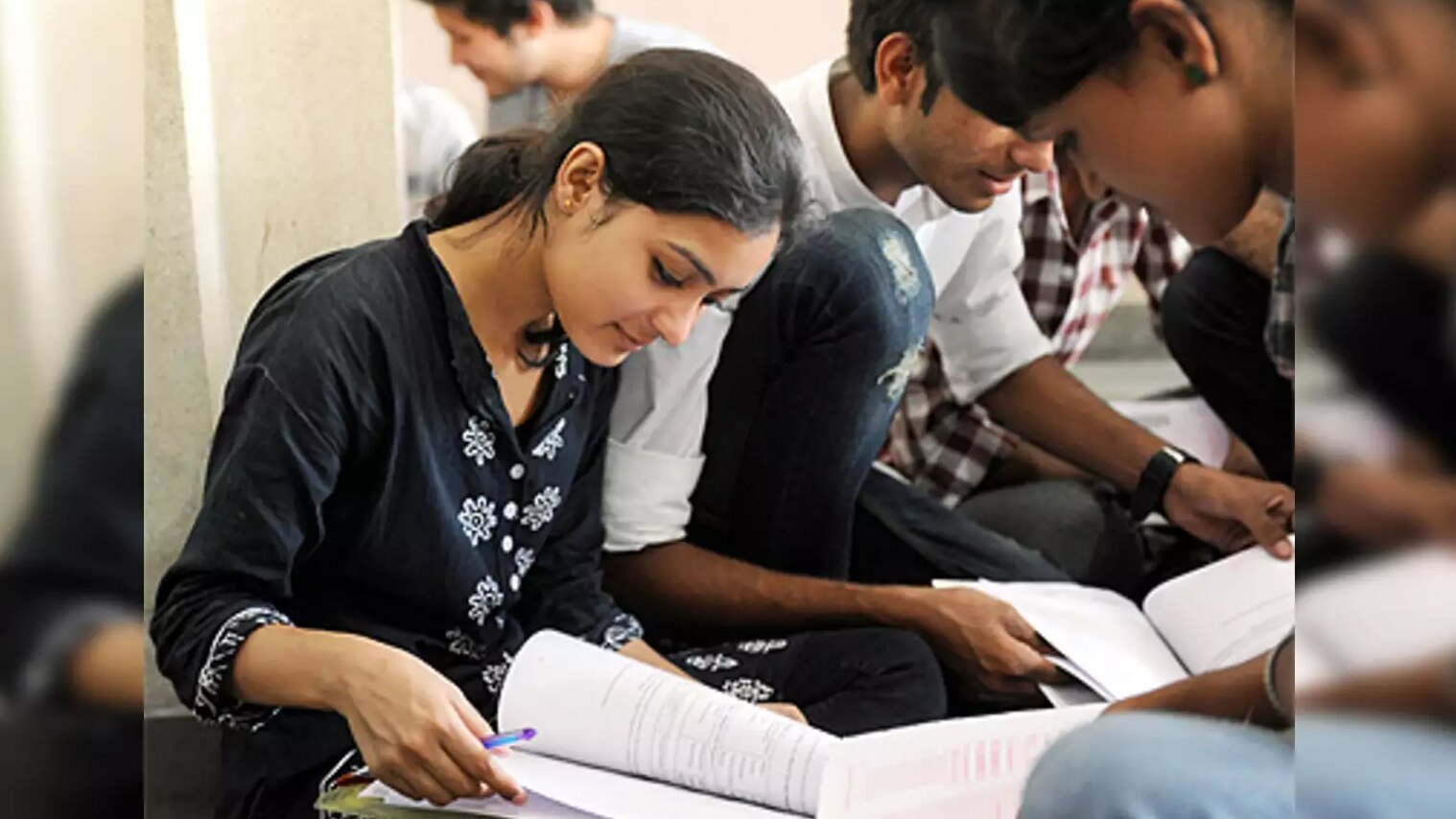

Parents usually struggle to strike a balance between their children's overall well-being and their academic success in today's competitive school environment. Academic pressure may be somewhat stressful, and although having high standards might inspire kids to work hard, they also need to be careful not to put their mental and emotional well-being at risk.
Here are some practical methods for preserving this fine balance while taking into account the unique needs and feelings of every child.
1. Understanding the pressure
Finding the pressure points is the first step towards preserving a balance between well-being and scholastic responsibilities. These could come from the children themselves, their parents, or their classmates. Parents want the best for their children; they think they will do well in school, get into prestigious colleges, and eventually start successful jobs. However, it's critical to remember that each child is unique, with unique talents, interests, and stress thresholds.
2. Open and honest expectations
It is necessary to foster an environment of candid dialogue. Could you send your child the difficulties they are having in their academic lives and at school? Actively listen while demonstrating compassion and understanding, without passing judgment. This technique strengthens your relationship with them and assists you in assessing their stress level.
You can use open-ended inquiries like "How are you feeling about your schoolwork?" or "Is there anything specific that's making you feel stressed?" You can help your child talk to you about their concerns and get the support they need by posing these kinds of inquiries.
3. Setting realistic expectations
As essential as it is to inspire your child to strive for greatness, you should also assist them in setting realistic and doable goals. Unrealistic expectations may lead to stress and feelings of incapacity. Instead of focusing only on grades, emphasize the importance of effort, advancement, and a love of learning. Help your child set clear, attainable goals and give them credit for their accomplishments. Instead of focusing on getting the best grade possible, encourage them to take up new hobbies or improve in challenging classes.
4. Encouraging a balanced lifestyle
A child's development requires an all-around healthy lifestyle. In addition to academics, encourage your children to engage in extracurricular activities such as sports, the arts, or hobbies. Taking part in these activities can help foster the development of different talents and hobbies, relieve stress, and provide an essential respite from academics. Ensure that your children are content and at ease. Kids require sleep in order to replenish their energy and focus when they resume their studies.
5. Prioritising mental and emotional health
Academic progress should never come at the expense of one's mental and emotional health. If your child exhibits any anomalies related to eating, sleeping, or psychological functioning, these could be signs of stress, anxiety, or depression. If you notice any of these signs, take note of them carefully and consider seeking assistance from a mental health professional or school counselor.
Teach your children stress-reduction strategies, such as writing, deep breathing, and mindfulness. With the use of these techniques, they can maintain a stable mental state and manage their emotions.
6. Establishing a Helpful Environment at Home
A child's ability to cope with school pressure can be significantly impacted by having a supportive family environment. Show an interest in their schoolwork, be accessible to help when needed, and set up a peaceful, orderly study space. Your encouragement and participation may boost their self-esteem and inspiration. Refrain from contrasting your youngster with siblings or peers. Comparing kids might make them feel inferior and competitive because every child is unique. Instead, emphasize the special talents and abilities of each individual.
7. Exampling well- being actions
Children observe their parents and pick up basic knowledge from them. Be a role model for others by leading a balanced lifestyle, developing stress management skills, and prioritizing your health. Teach them that it's okay to stop, ask for help when needed, and celebrate your accomplishments. Discuss how you have personally handled stress and the importance of looking after yourself. This candor can educate your youngster that it's okay to seek help when needed and that running into problems is a normal part of life.
8. Promoting a growth perspective
Encourage your child to adopt a growth mindset by emphasizing the value of perseverance, hard work, and making mistakes. Respect their commitment and hard work over their accomplishments. If individuals take this attitude, they might view obstacles as chances for growth rather than as impediments. Encourage them to assess their own performance and create goals for themselves. Through fostering a feeling of accomplishment and self-worth, this method can assist children in developing greater self-motivation.
Your child will achieve and be happy if you strike a balance between the demands of school and their welfare. You may promote their general growth by being transparent, setting reasonable goals, promoting a balanced lifestyle, and placing a high priority on mental health. Your support and affection provide them the strength and confidence to face life's obstacles.
Read More


- #college
- # destination for college
- # prof course
- # prof college
- # prof course for college students
Unlock yourpotential!
Let us know your preference and our team will guide you toward your academic journey. Stay tuned for personalized advice.
FAQ's
Balancing academic success and overall well-being is crucial because excessive academic pressure can lead to stress, anxiety, and burnout. A balanced approach ensures that children develop holistically, maintaining their mental, emotional, and physical health alongside their academic achievements.
Parents can identify sources of academic pressure by understanding that pressure can come from the children themselves, parents, or peers. They should observe their children’s behavior, listen to their concerns, and have open discussions to understand the specific stressors affecting them.
Parents can foster open communication by creating a non-judgmental environment, actively listening to their children's concerns, and asking open-ended questions like, "How are you feeling about your schoolwork?" or "Is there anything specific that's making you feel stressed?" This approach helps children feel understood and supported.
Parents can help by emphasizing the importance of effort, progress, and a love of learning over solely focusing on grades. They should assist children in setting clear, attainable goals and celebrate their achievements, encouraging them to take up new hobbies or improve in challenging subjects rather than only aiming for top grades.
Parents can promote a balanced lifestyle by encouraging participation in extracurricular activities such as sports, arts, or hobbies, ensuring their children get adequate sleep, and fostering a healthy, stress-relieving environment. They should emphasize the importance of taking breaks and engaging in activities that nurture different skills and interests.
Latest News


Photos and Videos





COMMENTS (0)